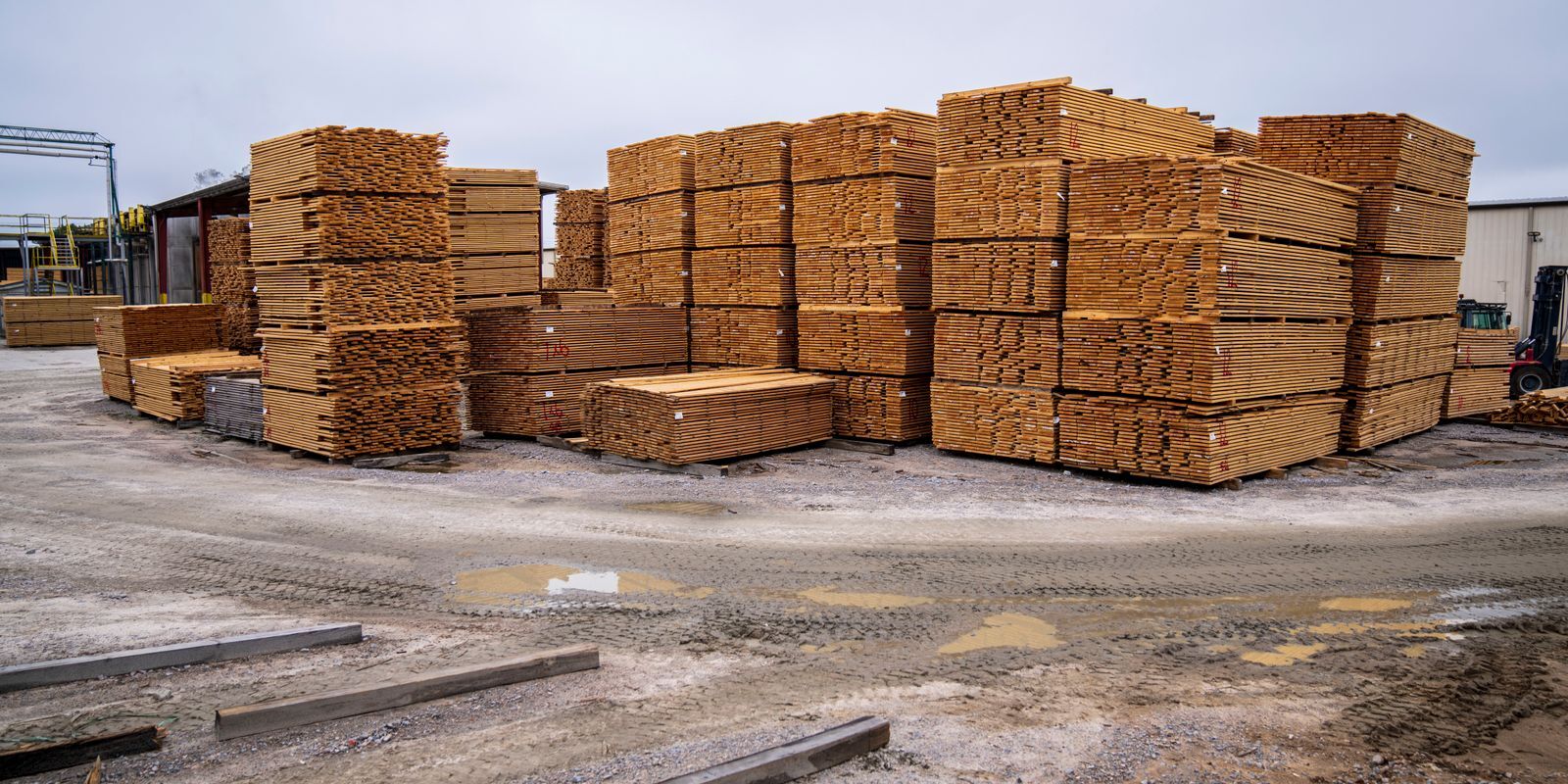
Short answer: President Trump has announced 50% tariffs on most Canadian goods, including cement. Canada is New York's biggest trading partner, so local contractors should expect higher prices on lumber, cement and other materials. Review open bids and contract terms now.
Key takeaways
- The new tariffs cover a wide range of Canadian imports.
- Industry groups expect the costs to pass through to project owners.
- Existing steel and aluminum tariffs remain in place.
- Escalation clauses and short quote windows are your best protection.
Why New York contractors feel it
Much of the lumber, cement and other building material used in New York comes from or through Canada. Even domestic suppliers tend to raise prices when imports get more expensive.
Earlier tariff rounds already pushed construction costs up across New York City.
What to do this month
- Reprice open bids that haven't been accepted.
- Check signed contracts for escalation or change-in-law clauses.
- Talk to suppliers about price locks on materials for current jobs.
- Shorten quote validity to 15 to 30 days.
Cash and inventory
Buying materials early can beat price increases, but ties up cash. Weigh storage, theft risk and financing costs.
For tax purposes, materials are generally deducted when used on a job, not when bought.
Track it by job
Code tariff surcharges separately on supplier invoices. If the tariffs are later struck down or refunded, you'll have the records.
FAQ
Can I pass these costs on to clients?
Only if your contract allows it. Use clear escalation language in new contracts.
Are these tariffs under the same law the Supreme Court struck down?
The legal basis matters. Some tariffs now use other authorities. Expect legal challenges either way.
Should I stockpile?
Only for jobs you've already won, and only if cash allows.
How TimoTax can help
We help contractors in Queens track material costs by job and plan cash through price swings. Call (718) 204-5400.
Last reviewed: July 28, 2026. General information only, not tax or legal advice.
Sources: AGC: Tariffs resources